
Tooth Extractions

Tooth Extractions at L’Heritage Family Dental

While preserving natural teeth is always our priority, there are situations where a tooth extraction may be recommended to support your overall oral health. At L’Heritage Family Dental, we provide careful assessment, clear guidance, and professional treatment to help ensure the extraction process is as comfortable and straightforward as possible.

When a Tooth Extraction May Be Recommended

A tooth may require removal for several reasons, including:

Severe decay or damage that cannot be restored
Infection that does not respond to other treatment options
Advanced gum disease affecting tooth stability
Fractures below the gumline
Preparation for certain dental treatments or orthodontic planning
Our dentist will examine your tooth, review diagnostic imaging, and discuss whether extraction is the most appropriate option for your specific situation.

What to Expect During the Procedure

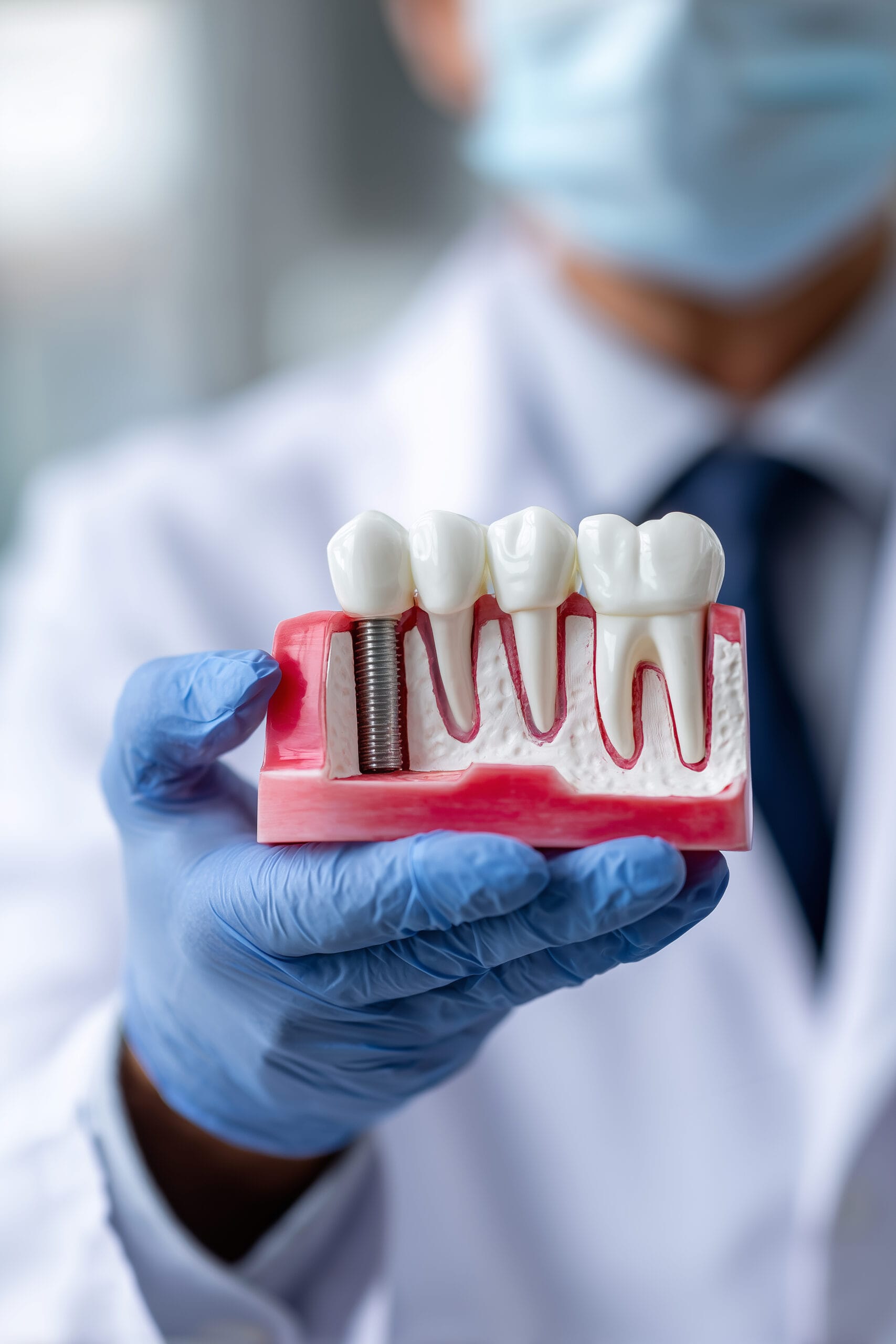
Before the extraction, we will review your medical history, explain the procedure, and discuss any instructions you will need to follow. Local anaesthesia is used to help keep the area comfortable during the appointment. Once the tooth is removed, we provide clear aftercare instructions to support healing and reduce the risk of complications. Our team will also discuss options for replacing the tooth if needed, such as implants, bridges, or partial dentures.

Tooth Extractions Sarnia
family dentist sarnia

Aftercare and Healing

Proper aftercare is important for a smooth recovery. We will provide you with written and verbal guidance, including information on managing discomfort, protecting the extraction site, and when to return for follow-up care. If you have questions at any point after the procedure, our team is available to assist.

Tooth Extractions in Sarnia

If you have been advised that a tooth may need to be removed or are experiencing discomfort, contact L’Heritage Family Dental to schedule an assessment. Our team will evaluate your situation, explain your treatment options, and help you make an informed decision about your care.

Frequently Asked Questions

1. When might a tooth need to be extracted?
A tooth extraction may be recommended when a tooth cannot be predictably restored or when keeping it may create other oral health concerns. Reasons can include severe decay, a significant fracture, advanced gum disease, infection, or certain orthodontic or wisdom-tooth concerns. Your dentist will assess the tooth and discuss whether extraction or another treatment option may be appropriate.
2. What happens during a tooth extraction?
During a tooth extraction, local anesthetic is used to numb the treatment area. The dentist then removes the tooth using an approach based on its position and condition. Some teeth can be removed with a straightforward extraction, while others may require a surgical approach. Your dental team will explain what to expect and provide aftercare instructions.
3. How painful is a tooth extraction?
The amount of discomfort associated with a tooth extraction varies depending on the tooth, the complexity of the procedure, and the individual patient. Local anesthetic is used to numb the treatment area. Some soreness, swelling, or tenderness can occur during recovery, and your dental team will provide instructions for managing these symptoms.
4. How long does it take to recover after a tooth extraction?
Recovery time varies depending on the type of extraction, the tooth being removed, and individual healing. Some tenderness and swelling can occur during the first few days. Following your dentist’s aftercare instructions, keeping the area clean, and avoiding activities that can disturb the healing site can support recovery.
5. What should I do after a tooth extraction?
Follow the aftercare instructions provided by your dental team. These may include biting gently on gauze as directed, avoiding smoking and straws, choosing softer foods for a period of time, and keeping the area clean without disturbing the blood clot. Contact your dentist if you experience significant or worsening pain, persistent bleeding, swelling, fever, or other concerning symptoms.